
FLSEMI's networked lighting control runs on Nordic Semiconductor's nRF5340 with a front-end module, carrying a Bluetooth Mesh and NLC Profile stack developed in-house with BANFi Semiconductor — not a licensed reference build. The models below are implemented on our own silicon platform and provisioned from a phone, with the cloud optional rather than required.
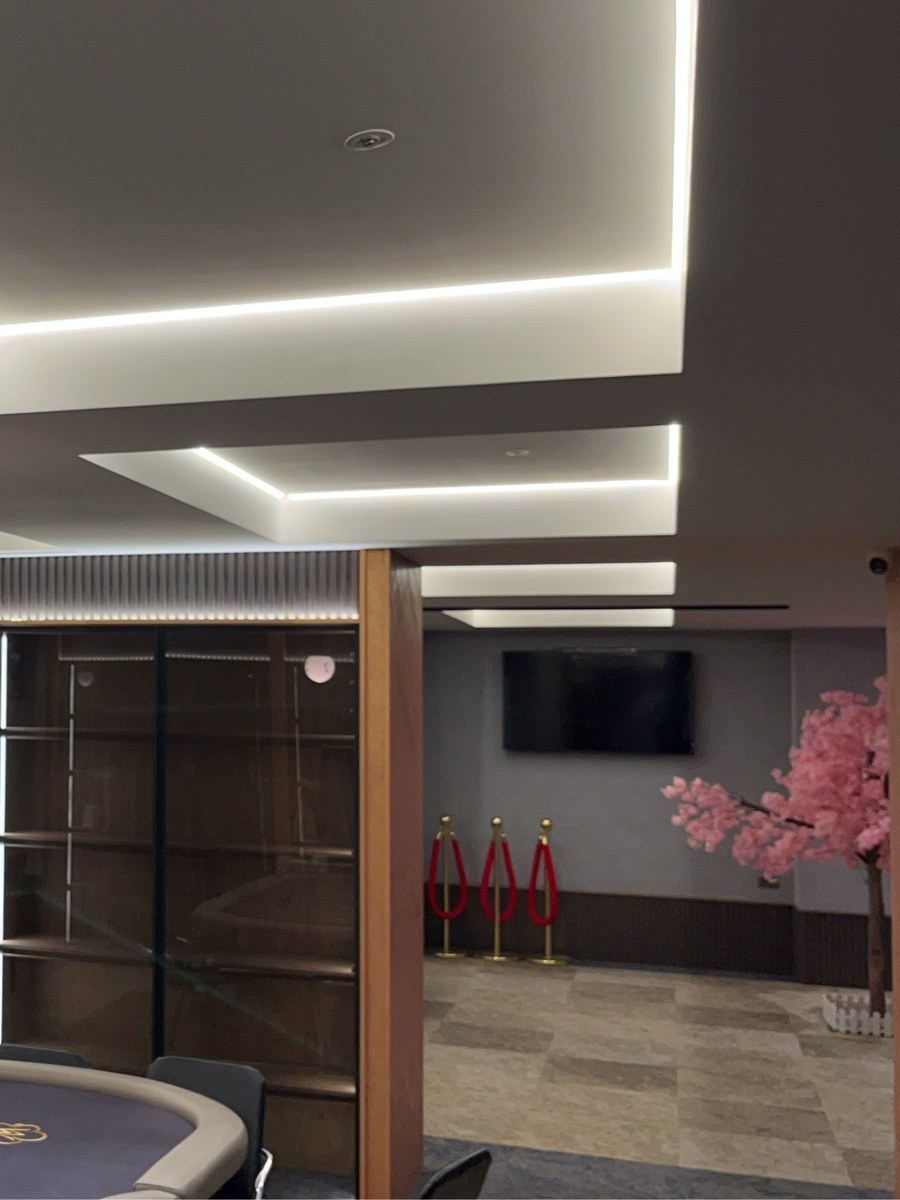
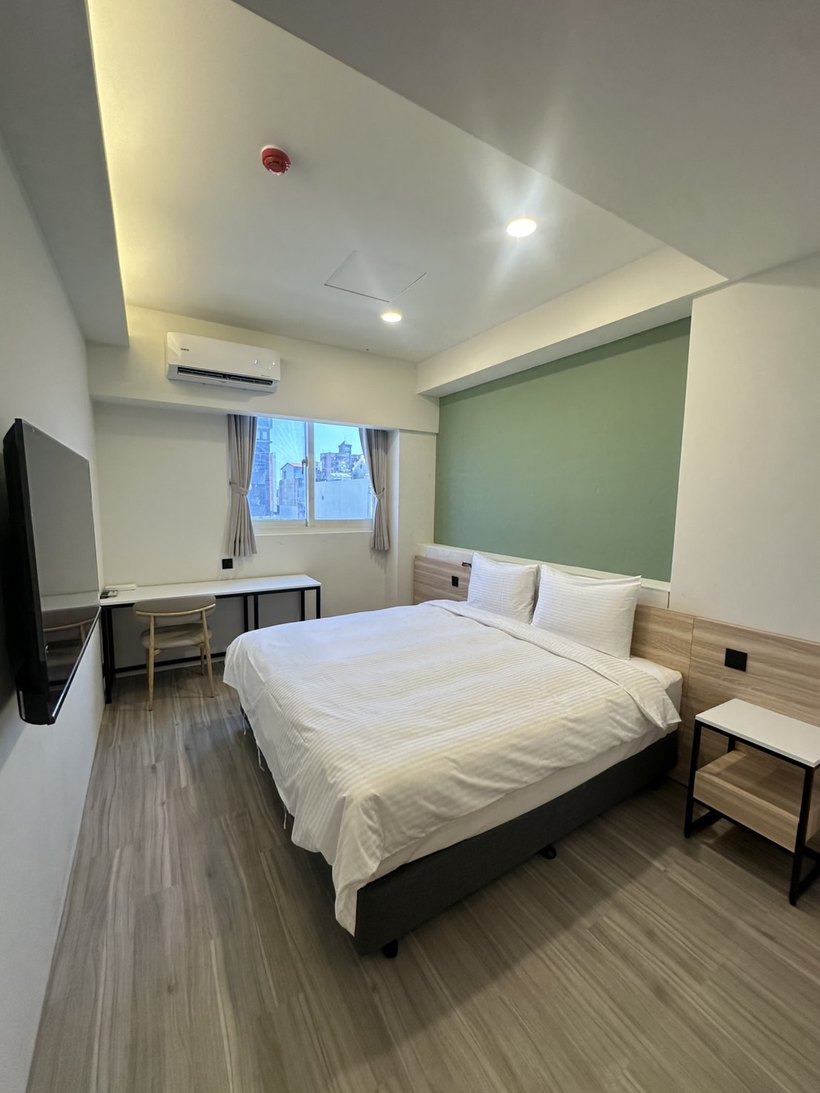
Used in: Commercial Buildings & Hotels
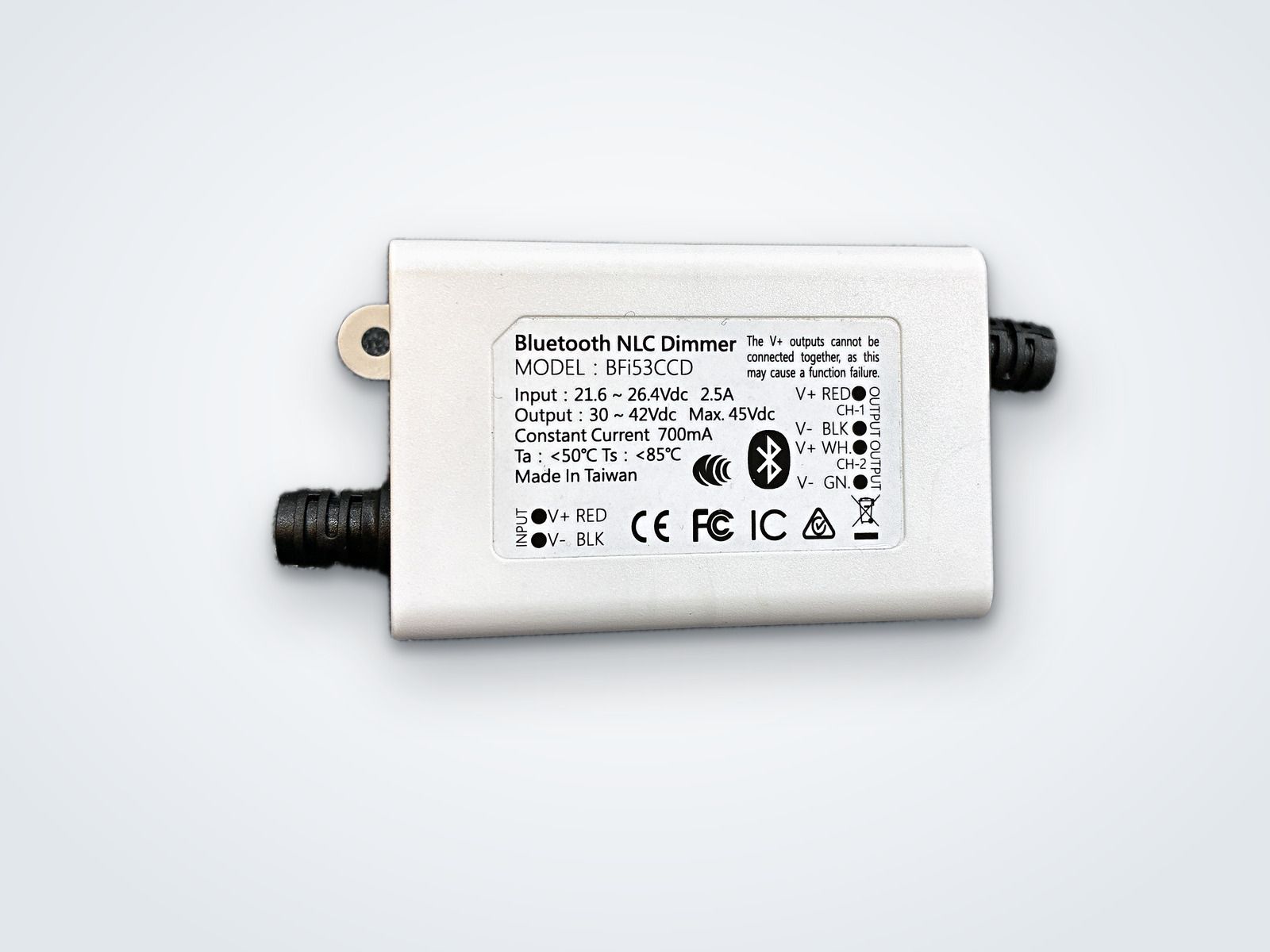



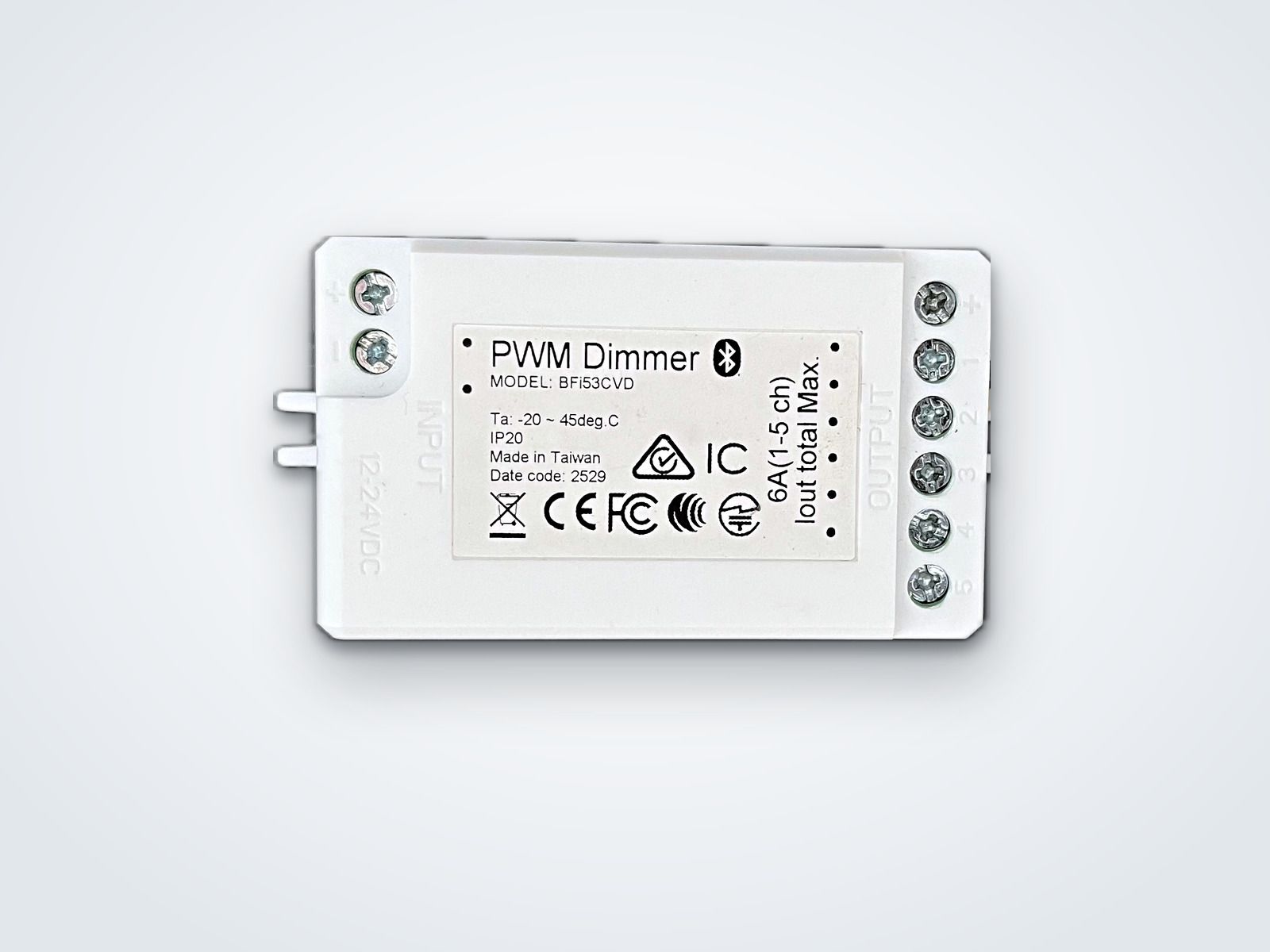
Every FLSEMI lighting node — the BFi53CVD constant-voltage dimmer, the BFi53CCD constant-current dimmer and the BFi53ER0 EdgeRouter — is built on the Nordic Semiconductor nRF5340 with a front-end module driving the radio to +12 dBm on the dimmers and +13 dBm on the EdgeRouter, with better than 100 m line of sight. Because the Mesh and NLC stack is ours rather than a licensed reference build, behaviour that normally sits behind a vendor's binary — provisioning flow, scene and schedule semantics, energy reporting, self-powered switch proxying — is ours to specify, debug and extend for a customer.
Networked Lighting Control is a Bluetooth SIG profile, so a compliant node interoperates with other vendors' NLC devices. These are the models running in FLSEMI hardware today.
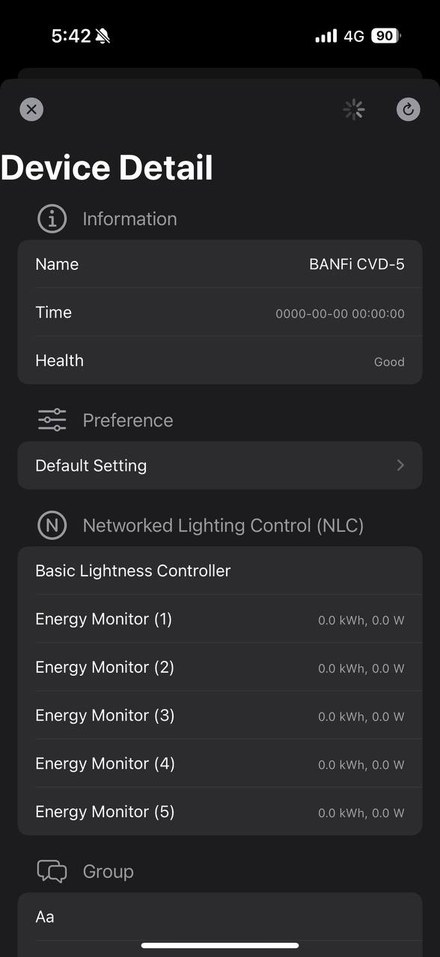
Basic Lightness Controller, Energy Monitor, Time, Schedule and Light Control models — 5-channel PWM, RGBCW / CCCCC / CWCWC / RGBCC modes.
Basic Scene Selector and Dimming Control, plus Energy Monitor, Time, Schedule and Light Control — dual channel, colour-tunable or dual-lightness.
Generic OnOff and Level; Time, Scene and Schedule clients; Lightness, Light LC, CTL and HCL clients; Sensor client — the bridge to Modbus TCP and the BMS.
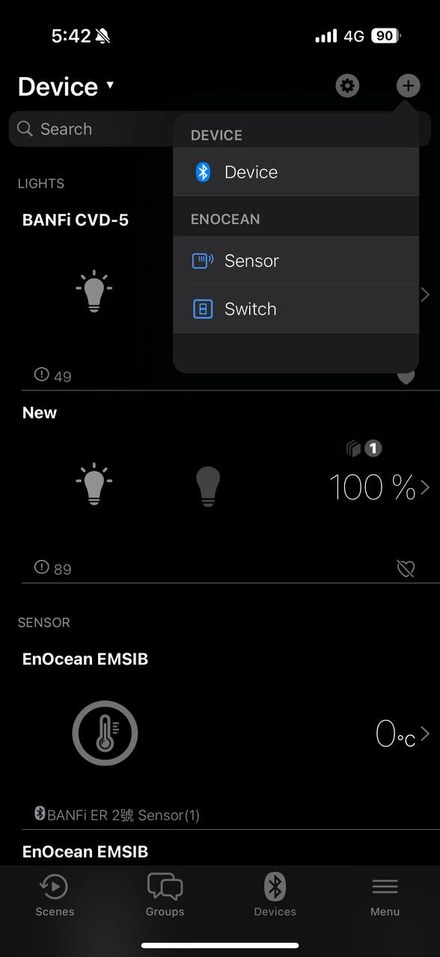
Battery-free switches and occupancy / lux sensors are proxied straight into the mesh — 2 and 4-button switches, no battery and no wiring.
Commission without touching each fixture, and push firmware across the network over Mesh DFU once the ceiling is closed.
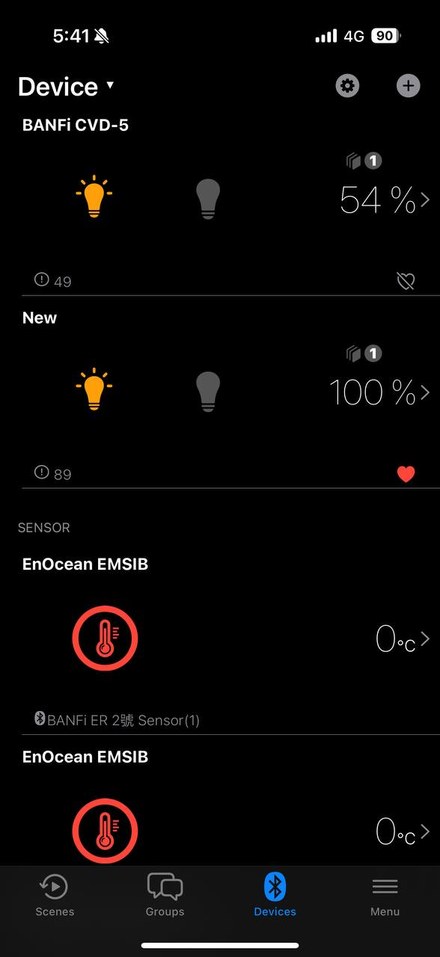
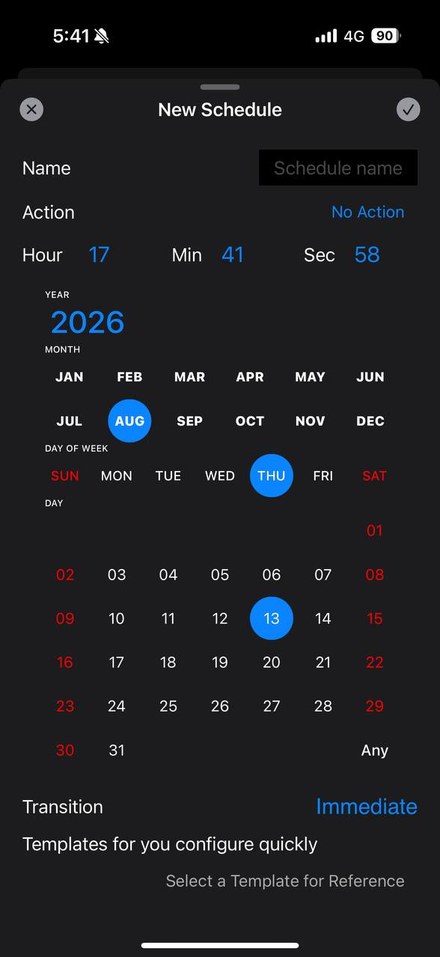
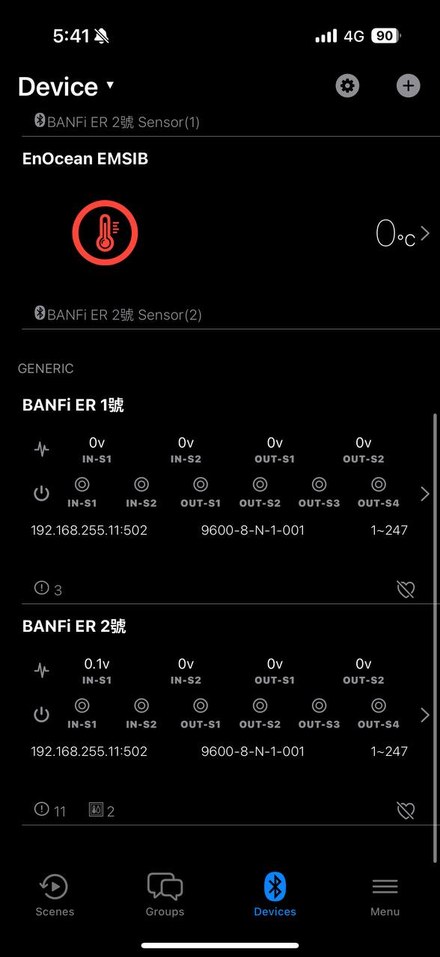
Grouping, scenes, schedules, health and sensor reporting are managed from the BANFi ONE iOS app against the devices themselves — GPS and network time, no subscription, no server to keep alive.
Commissioning, scheduling, energy and gateway I/O in one iOS app, talking to the devices themselves. No portal to log into and no server to keep alive.
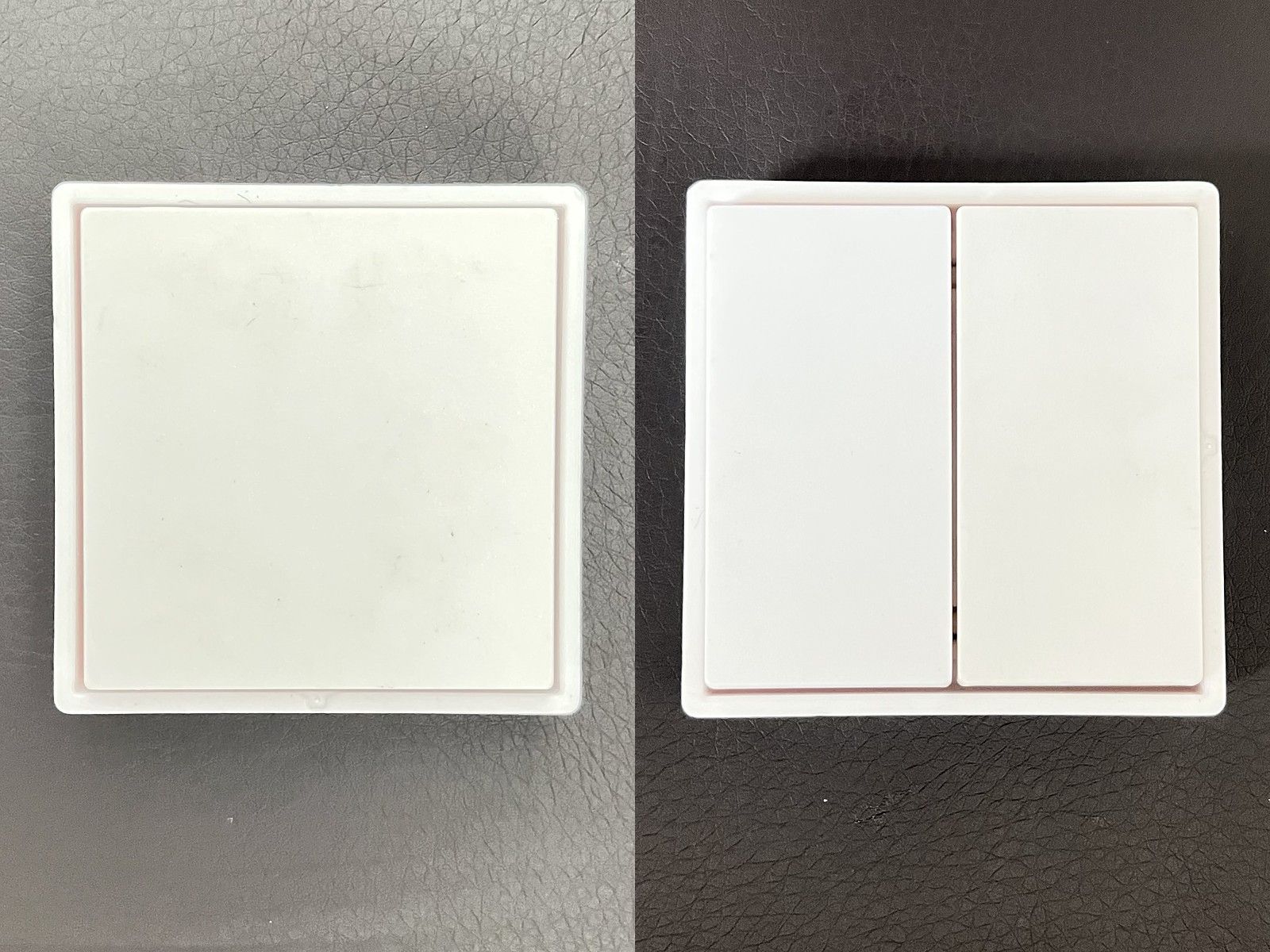
The 2023 National Electrical Code restricts wall-mounted lighting controls that depend on a battery alone, unless there is an automatic way to energise the lighting outlet when that battery fails — a rule aimed squarely at residential and hospitality spaces. Kinetic self-powered switches sidestep the question: they generate their own energy from the press, so there is no battery to fail, nothing to replace on a maintenance schedule, and no wiring to run. They mount on glass, tile or a partition, which is what makes wireless retrofit practical in a finished building.
FLSEMI's founder — Sog Yang, also Chief Technology Officer of BANFi Semiconductor — has worked on Bluetooth since graduate research at National Cheng Kung University. The early lighting work was built on GATT and the advertising channels, making fixtures controllable with what Bluetooth offered before a mesh existed at all, and it ran directly into the release of the Bluetooth Mesh Profile.
In 2014 he released what was then the world's first Bluetooth LE + Wi-Fi module on an ARM Cortex-M MCU. At Delta Electronics he went on to lead the Bluetooth SIG Mesh and Cortex-M4F software platform and the connected-lighting product line, taking Mesh from specification to AC-DC LED drivers shipping at industrial scale — and presenting the Bluetooth Mesh Profile lighting solution at the Bluetooth SIG forum in 2020. He then led the launch of high-reliability Bluetooth wireless MCU modules built on Nordic Semiconductor's nRF5340 with a front-end module — the same radio platform this page describes.
That arc is why the product line looks the way it does. Moving lighting control from AC-DC to DC-DC removes conversion stages, cuts the driver count and lets one dimmer serve several fixtures — and Bluetooth Mesh is what makes it controllable without running new wire. FLSEMI exists to bring that platform to the United States, to the infrastructure and everyday building stock that stands to gain most from it.
The EdgeRouter can also run Bluetooth Networked Lighting Control together with Thread, carried to the building over Ethernet. This use is still maturing, so we do not publish its details yet. A PREVIEW firmware, BFi53ER0-TN, is available for evaluation — ask, and we tell you what it covers for your project.
The Bluetooth Mesh and NLC stack is developed and deployed by BANFi Semiconductor in Taiwan. FLSEMI is its North American arm and co-developer of the stack — FLSEMI's founder is BANFi's Chief Technology Officer, which is how the same platform is engineered on both sides. The installations below are BANFi's.
Those commercial lighting projects were built on the previous-generation nRF52 platform. The current nRF5340 + FEM generation is in the field as a street-lighting deployment in Yilan, Taiwan — commissioned September 2024, 17 Bluetooth nodes with two NB-IoT gateways, and still operating after two typhoons.
Bluetooth Mesh and NLC for commercial lighting, street lighting and building automation — specified, debugged and extended in-house.
Talk to an engineer See the lighting products