
Bluetooth NLC dimmers for LED strip, linear and COB fixtures, switched by battery-free wall switches. Provision, dim, schedule and monitor energy from one iOS app; every node repeats, and local control needs no gateway.

RGB, CCT and RGBCCT LED strip and linear luminaires; up to 144 W at 24 V.
Details →
COB and high-power LED downlights and track lights, with smooth, low-flicker dimming.
Details →
The press is the power: on a wall, glass or partition, with no wiring between switches.
Details →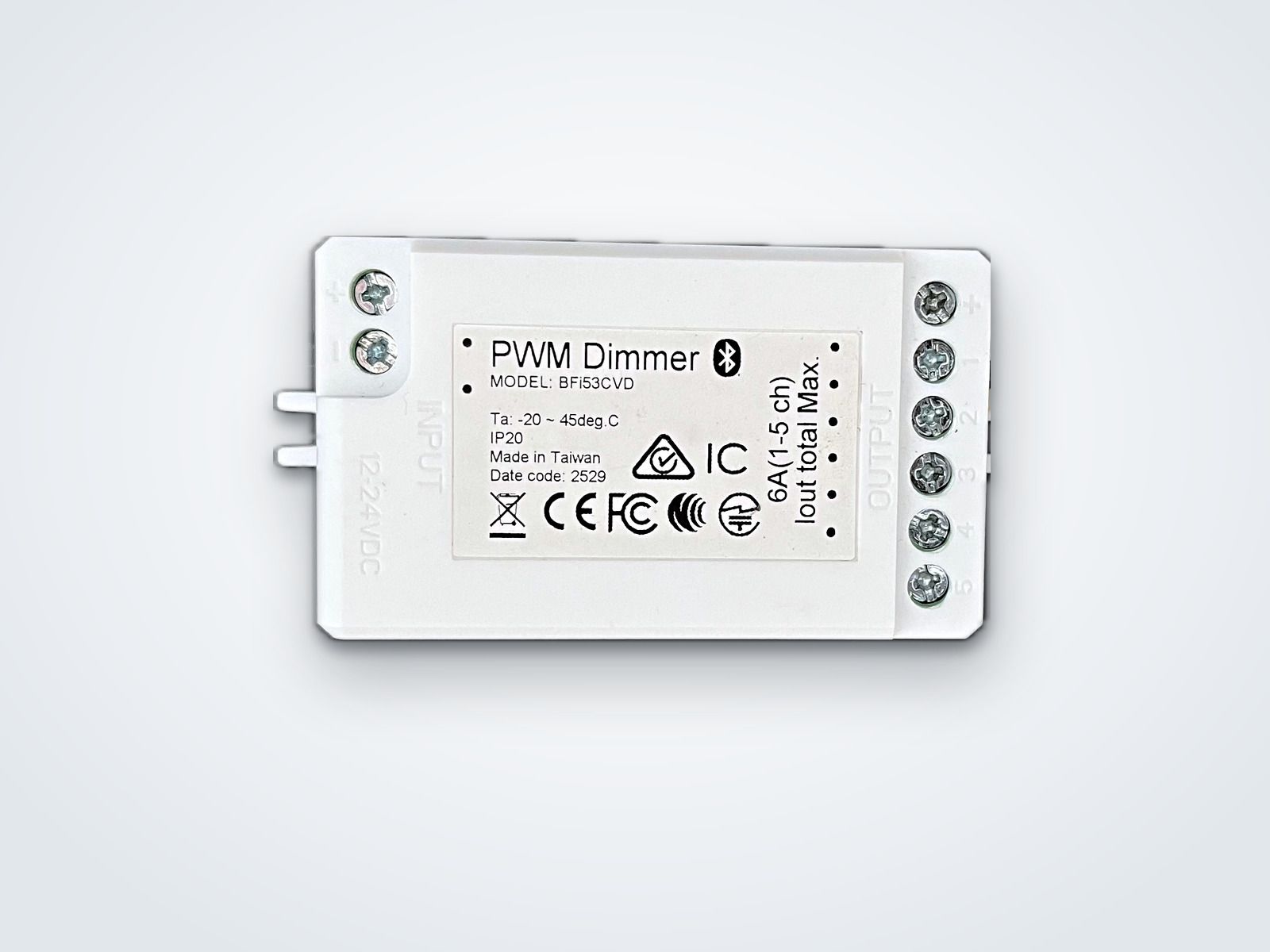
A 12–24 V DC, 5-channel PWM constant-voltage dimmer with an integrated Bluetooth Mesh radio and the Bluetooth NLC profile. It drives RGB / CCT / RGBCCT LED strip and linear luminaires with smooth, flicker-free dimming and tunable white — ideal for human-centric and commercial display lighting. The external-type antenna ships factory-integrated inside the enclosure, so there's no field antenna assembly.
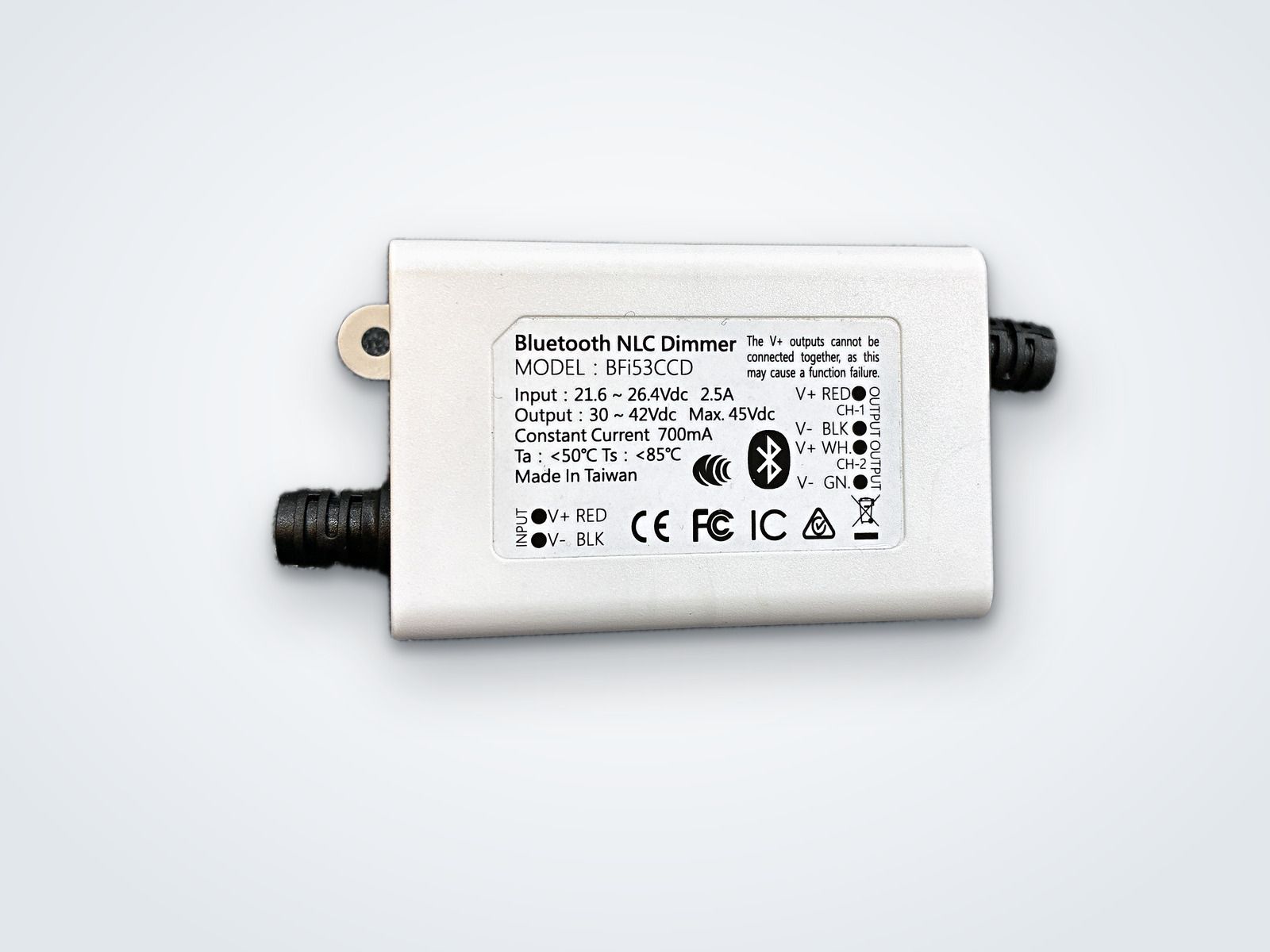
A dual-channel constant-current dimmer that drives COB and high-power LED fixtures at a stable 700 mA — by default a 36 V COB (25.2 W) with smooth, low-flicker dimming (Flicker Index < 20%). Two independently dual-level programmable channels make it ideal for commercial NLC fixtures — downlights, track and gallery accent lighting.

A self-powered, battery-free Bluetooth LE wall switch. Every rocker press harvests kinetic energy to broadcast a control command — no wiring, no battery, zero maintenance. It drives BFi53 dimmers and the BFi53ER0 gateway directly for On/Off, dimming and scene selection, and mounts anywhere — glass, tile or partitions — with adhesive or a standard frame.
Not a pilot programme — the dimmers and battery-free switches on this page are installed and operating in occupied buildings and on public roads.
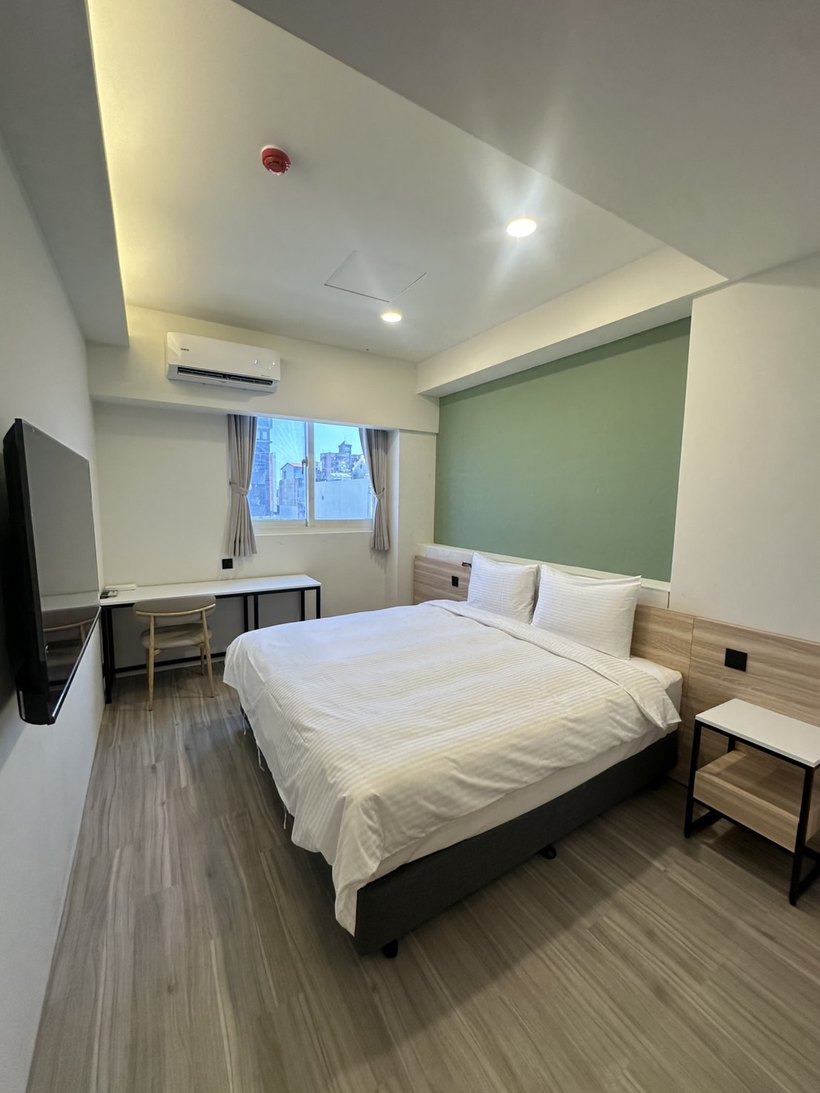
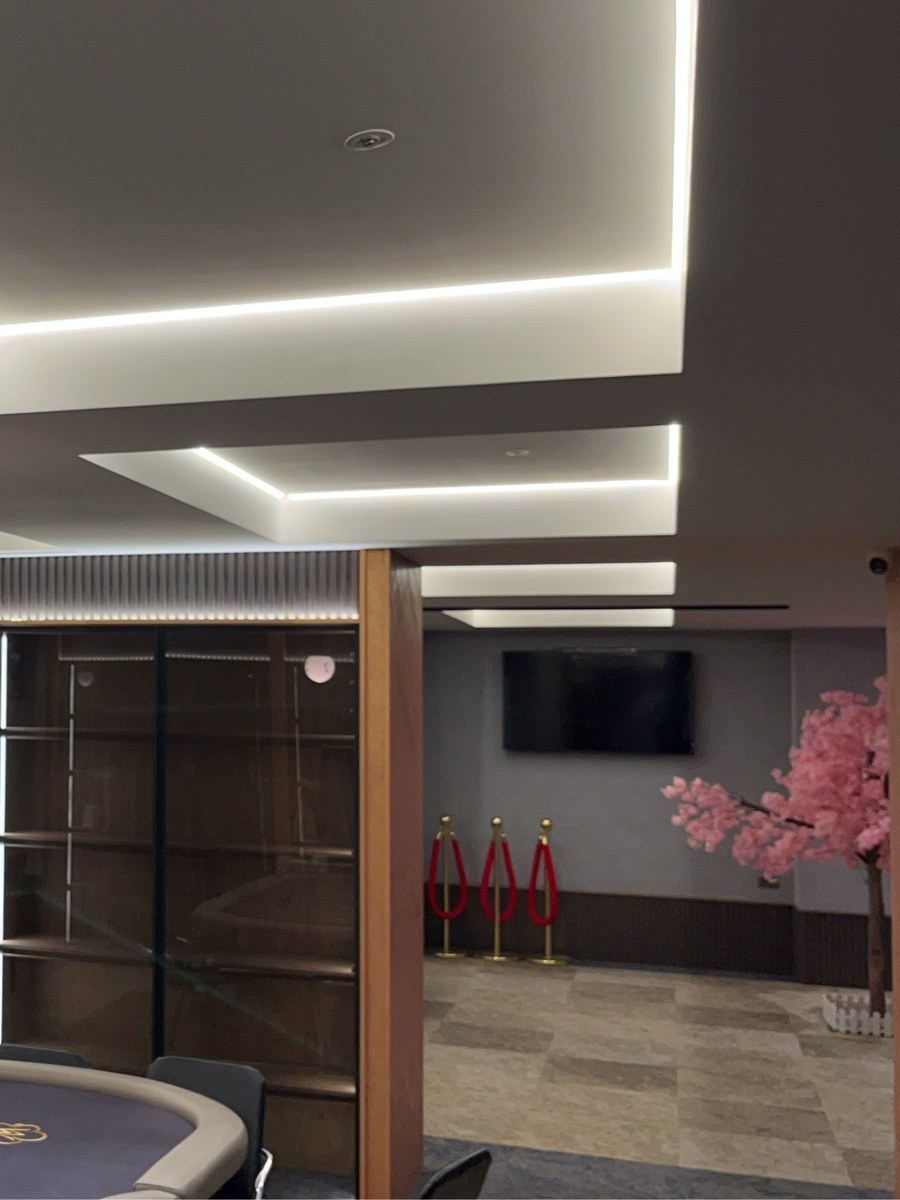
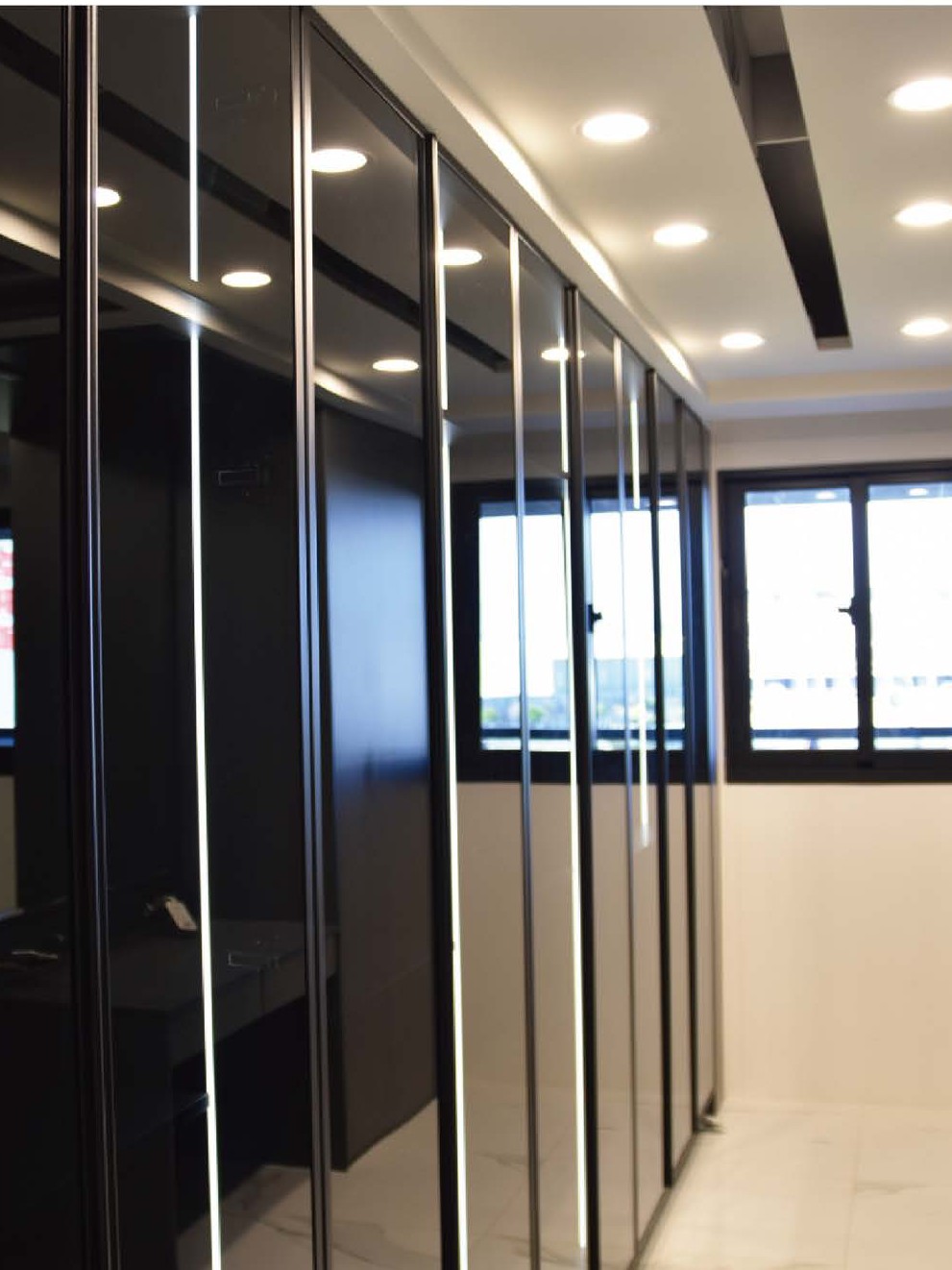

The Bluetooth Mesh and NLC stack is developed and deployed by BANFi Semiconductor in Taiwan, and the installations above are BANFi's. FLSEMI is its North American arm and co-developer of the stack — FLSEMI's founder is BANFi's Chief Technology Officer, which is how the same platform is engineered on both sides. The hardware in those projects is the hardware on this page.
Commissioning and day-to-day operation happen in one app — no central controller, no subscription, and the cloud is optional. Installers scan, provision and group devices; owners recall scenes, set schedules and review per-circuit energy. Project settings export encrypted, so a handover does not mean starting over.
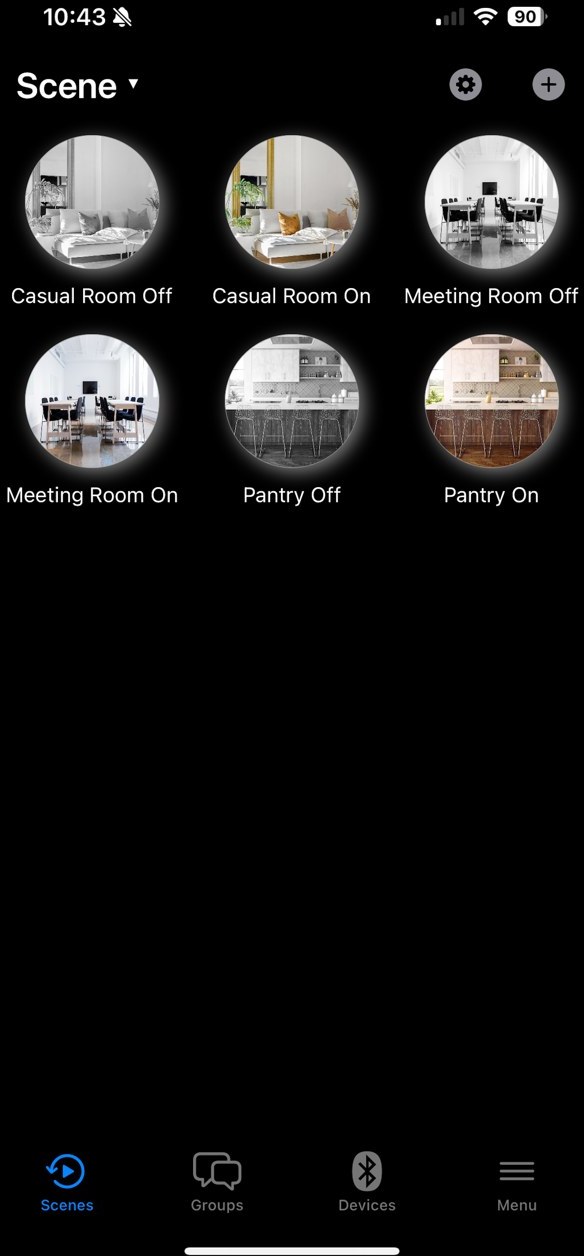
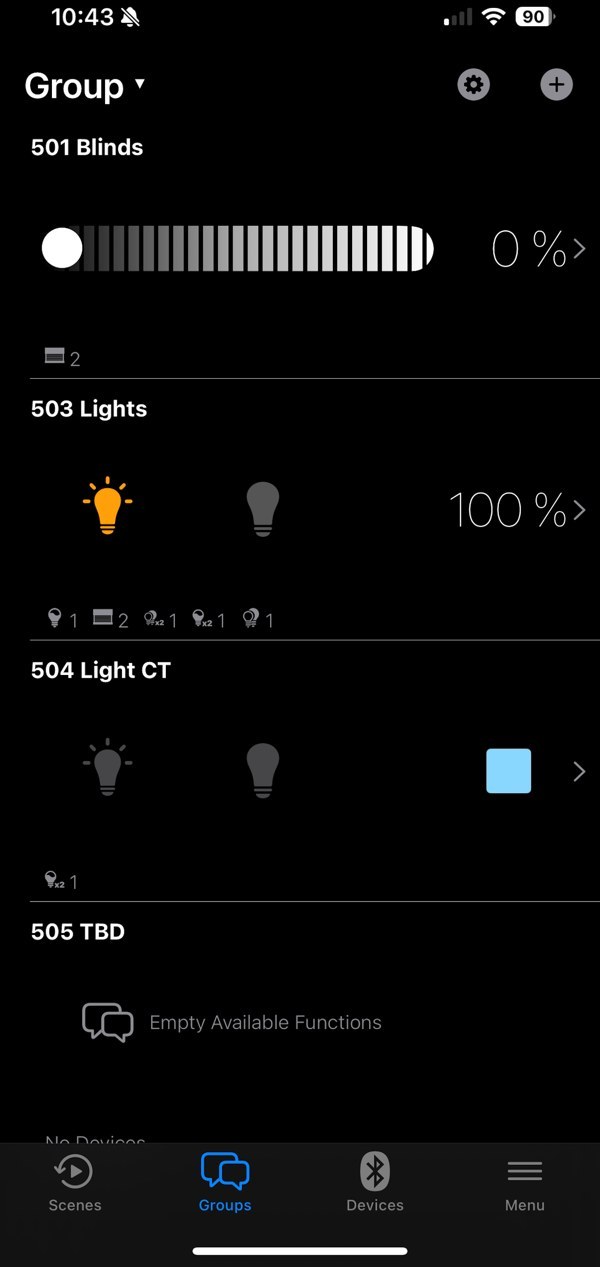
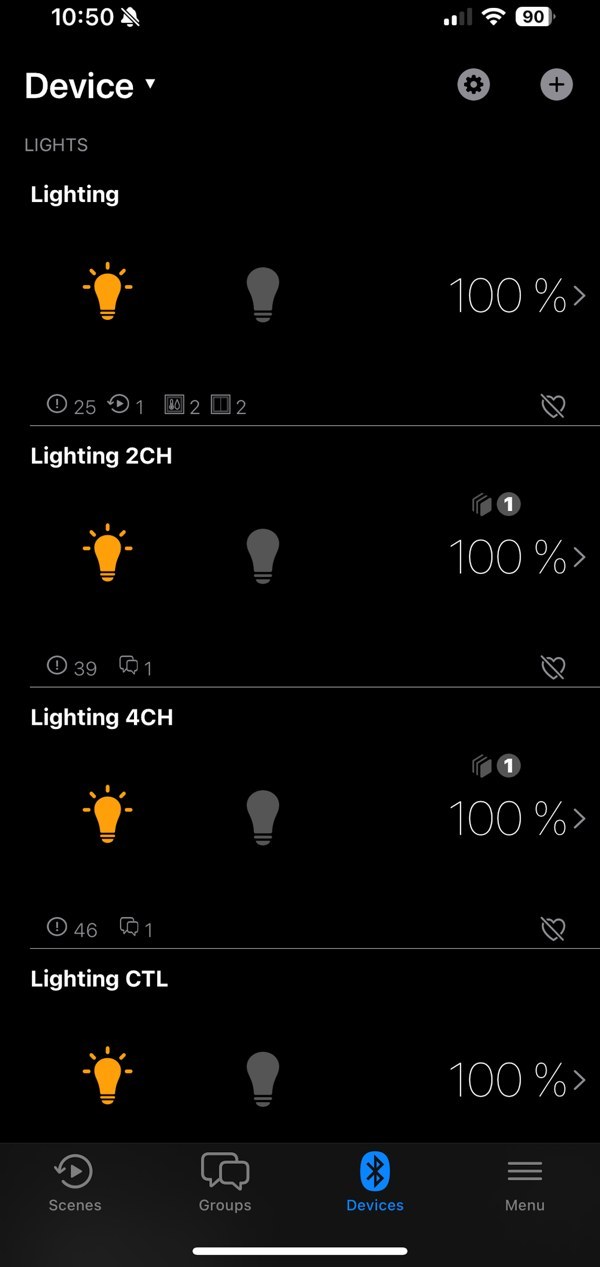
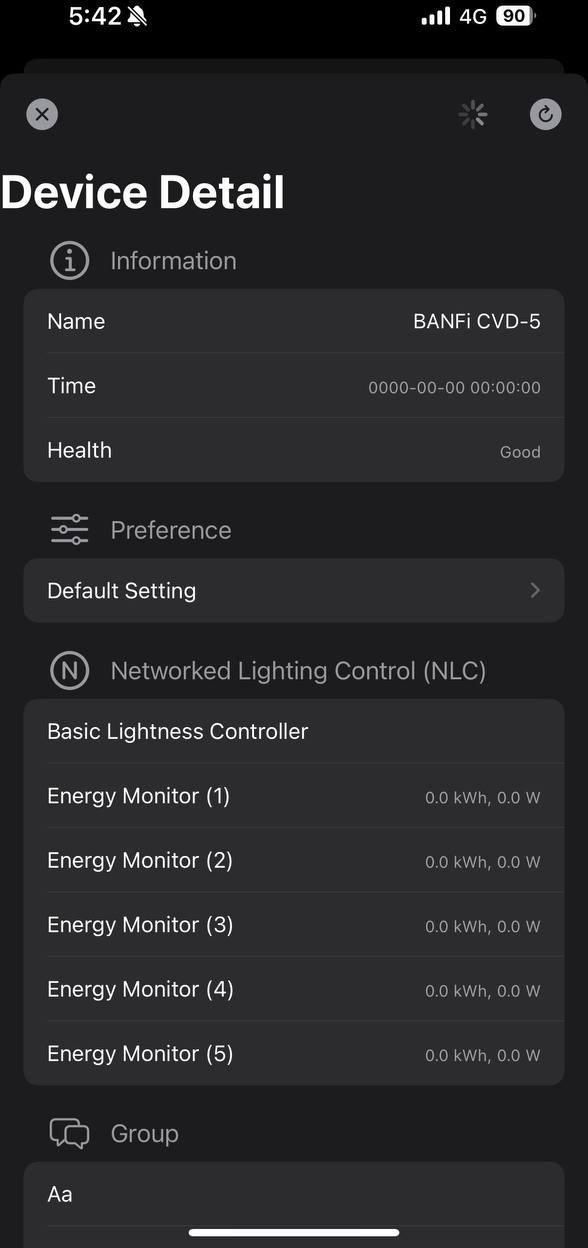
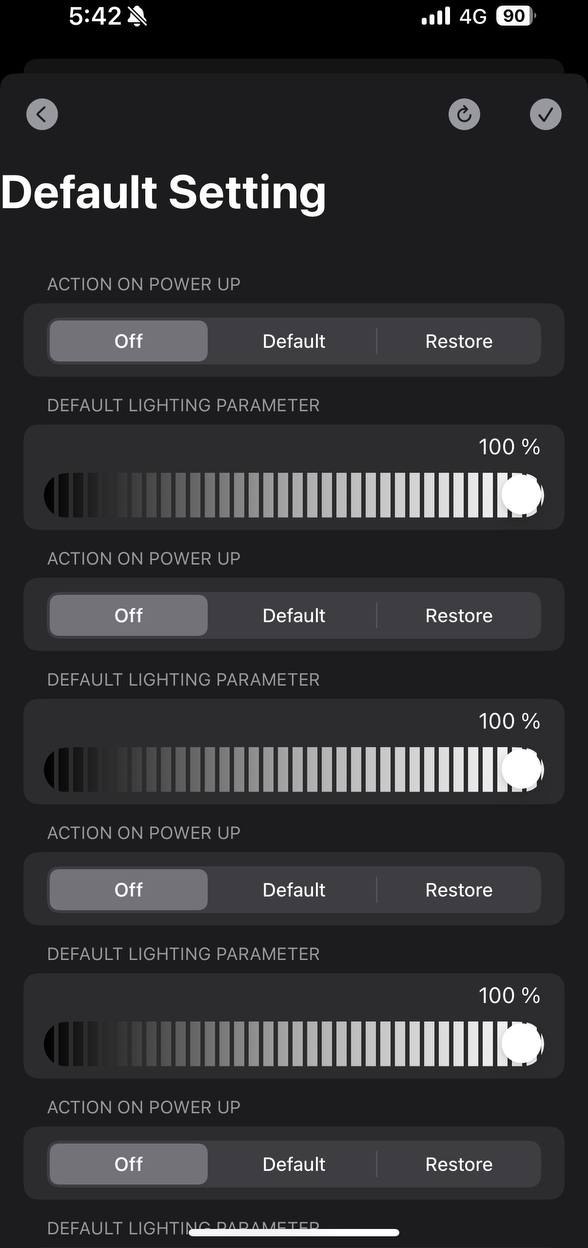
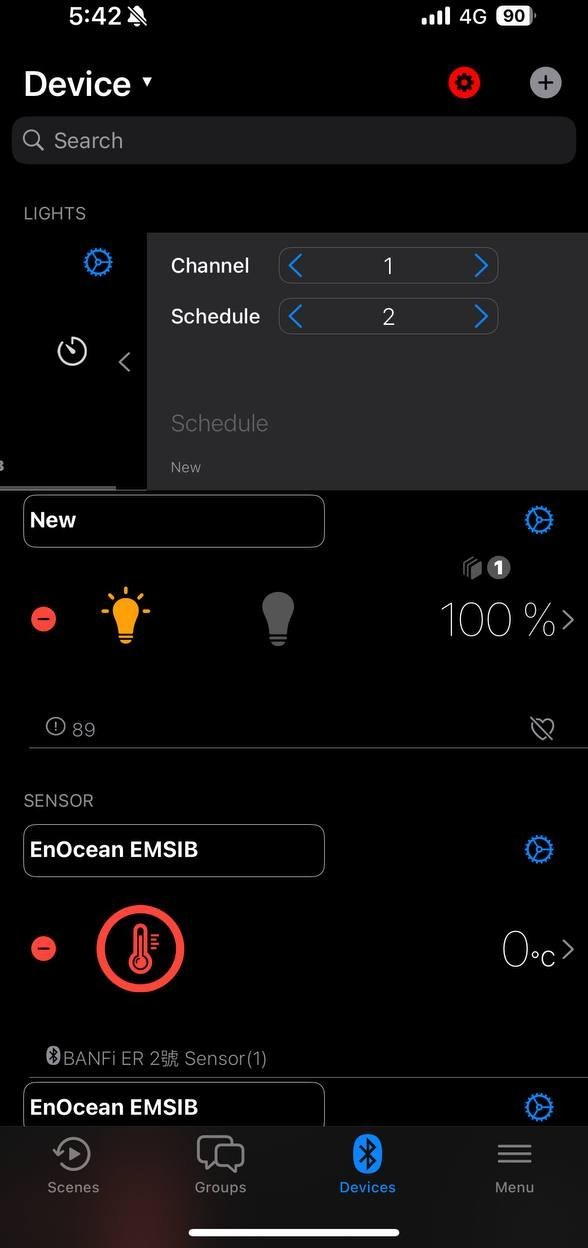
Screens are live captures; functions and layout may change with app releases. The app communicates with devices directly over Bluetooth and settings are held on the phone with encrypted export. Where remote management or data upload is required, the BFi53ER0 EdgeRouter bridges to BMS, SCADA or a cloud platform. Published by BANFi Semiconductor for use with FLSEMI hardware.
FLSEMI supplies the wireless control electronics that go inside a luminaire. We do not make fixtures, and we do not compete with the companies that do. If networked lighting control is showing up in your specifications and you would rather not fund an RF development program to answer it, the modules on this page are built to be designed in under your own label.
The dimmer sits inside your enclosure and carries no visible branding of ours. The BANFi ONE app can be discussed for private-label programs.
Bluetooth Mesh radio and the Bluetooth NLC profile are on board, already through FCC, CE, NCC, TELEC and RCM. Firmware updates go out over Mesh DFU.
We are a small US company. Your engineer talks to ours, not to a ticket queue, and we will bring boards to your bench.
On certification, before you ask. These modules hold FCC, CE, NCC, TELEC and RCM. They do not carry their own UL or ETL listing. They are Class 2 low-voltage DC parts intended to be installed inside your luminaire and covered by your fixture's existing UL 1598 / UL 8750 listing — the same way you would treat an LED driver. Where your process requires the module itself to be recognised, a UL 8750 Recognized Component path can be discussed, including who carries it. We would rather state this plainly here than have it surface on your third call with us.
Country of origin. These modules are designed and manufactured in Taiwan by BANFi Semiconductor. Taiwan is a designated country under the Trade Agreements Act, 19 U.S.C. 2501–2581, and a certificate of origin is available on request for procurement and trade-compliance review. To be equally plain about the limit: they are not domestically manufactured for the purposes of Build America, Buy America, so they do not count toward BABA domestic content. The wireless stack itself is developed in the United States.
Press a battery-free switch and it broadcasts a command over BLE — received directly by BFi53CVD / CCD dimmers. Bluetooth Mesh carries control across the building, where every node repeats, and the BFi53ER0 / BFi53ER0S EdgeRouter bridges it all to a BMS or the cloud. Provision, dim, schedule and monitor energy from the BANFi ONE iOS app.
From a single room to a campus — CVD, CCD and battery-free switches on one Bluetooth NLC platform.
Part numbers & pricing → Talk to an engineer Back to FLSEMI